|
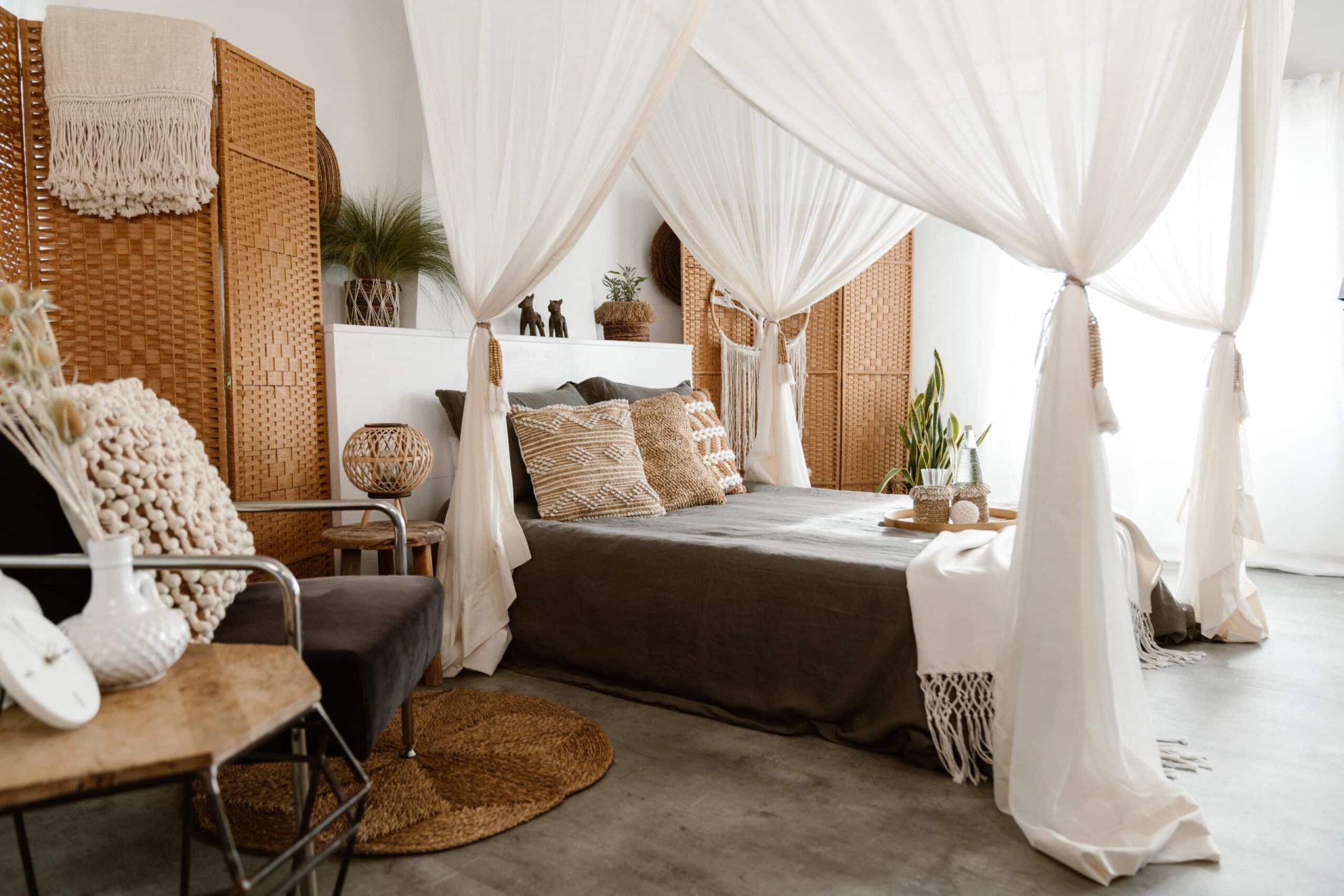
A peaceful home is rarely created by one dramatic change. More often, it grows from a series of considered choices: softer materials, balanced proportions, natural textures and objects that serve a purpose without demanding attention. When these elements work together, a room begins to feel calmer almost immediately. It becomes a place where comfort and aesthetics support each other rather than compete. That idea is especially relevant in bedrooms and outdoor spaces. Both are places where people want to slow down, yet both can easily become visually busy or overly functional. A mosquito net, a tactile throw, a handcrafted cushion or a well-made hammock can change that balance. Functional products do not have to look technical. They can become part of the atmosphere of a space. Function can be part of the interiorMosquito nets are a good example. Their primary purpose is practical, but their effect on a room goes much further. A generous canopy softens straight architectural lines and creates a more sheltered feeling around the bed. Lightweight fabric adds movement, while the way the net falls can make even a simple bedroom feel more layered and intentional. Material choice matters here. Natural cotton has a soft, breathable character and a relaxed appearance that works particularly well in warm, tactile interiors. Fine polyester has different strengths: it is lightweight, keeps its shape and can be practical for both indoor and outdoor use. The right choice depends on the setting, the desired look and how the product will be used. A collection built around atmosphereThe Nusarah assortment brings these ideas together through mosquito nets, home accessories and lifestyle products designed with a consistent sense of calm. The collection draws inspiration from Bali and combines a refined visual language with practical everyday use. Rather than treating each item as a separate object, the products are designed to contribute to a complete atmosphere. That approach can be seen in the details. Cotton mosquito nets are made from cotton sourced from Java and finished with double cotton borders and metal rings. Other models use finely woven polyester for a cleaner, more structured appearance. Different shapes and suspension systems make it possible to work with single beds, larger double beds, box springs and rooms where ceilings or walls require a more flexible setup. The same visual language continues beyond the bedroom. Handcrafted tassels can keep mosquito-net openings elegantly gathered, while throws, blankets and cushions introduce extra texture. Hammocks extend the feeling of rest into outdoor living spaces, and home-fragrance accessories add another sensory layer without changing the visual calm of the room. Why craftsmanship changes the character of a productThere is a noticeable difference between an object designed for mass production and one shaped by handcrafted mosquito nets and small-scale making. Minor variations, careful finishing and material choices give handcrafted products a more individual presence. They tend to feel less anonymous because the production process remains visible in the details. For Nusarah, much of that work takes place in its own atelier in Bali, where makers, cutters and quality controllers work in small teams. The emphasis on small-batch production helps prevent unnecessary overproduction and allows greater attention to finishing. The brand also works with Fair Trade ateliers in India for its hammock collection, connecting design with working conditions and responsible manufacturing. A few principles make this approach especially relevant for people who want to furnish more consciously:
Designing with nature instead of decorating around itNatural inspiration does not require a room filled with plants, bamboo or obvious tropical references. It can be much subtler. Texture, airflow, soft movement and restrained colors can create the same connection. A cotton canopy catches light differently throughout the day. Canvas adds visual weight outdoors. Woven fabrics and tactile accessories make hard surfaces feel less dominant. This is also where material responsibility becomes part of design. Plastic-free packaging, reusable cotton storage bags and recycled paper details may not change how a room looks, but they affect the wider life of a product. Reusing production remnants and incorporating recycled materials into blankets and cushions can reduce waste while preserving the sense of quality expected from a refined interior collection. Durability plays a role as well. A product that remains useful for years does not need to be replaced simply because a trend changes. Timeless forms, neutral materials and careful construction make it easier to update a room around an existing piece rather than constantly starting again. Comfort indoors and outdoorsThe same principles can be applied outside. Terraces, patios, balconies and pergolas increasingly function as extensions of the home, so comfort and visual coherence matter there too. Outdoor mosquito nets made from reinforced polyester and finished with durable canvas edges can create a sheltered zone for dining, reading or relaxing while still allowing the space to feel open. A hammock, layered textiles and a few carefully selected accessories can reinforce that feeling without overcrowding the setting. The goal is not to fill every corner. Space itself is part of the composition. When materials, scale and function are considered together, even a modest outdoor area can feel more deliberate and restful. Care supports that longevity. Airing textiles regularly, following the care instructions on the label and storing a mosquito net in a reusable cotton bag between seasons all help preserve its appearance. Small habits such as these fit naturally with a slower approach to interiors: buy with attention, use with care and allow well-made objects to remain part of the home for a long time. |